

 Change Language

In the realm of contemporary infrastructure engineering, chisels serve as an essential and pivotal component across diverse applications, including mining operations, tunnel excavations, and road construction projects. The performance attributes of these tools are inextricably linked to both the efficiency of construction activities and the safety of operational procedures. In recent epochs, advancements in material science, the extensive integration of intelligent manufacturing methodologies, and the growing emphasis on global sustainable development paradigms have precipitated a comprehensive technological metamorphosis within the chisel industry. This treatise endeavors to expound upon the transformative advancements in chisel technology, analyzed through four distinct yet interrelated dimensions: material innovation, manufacturing process optimization, adaptation to extreme environmental conditions, and the pursuit of environmentally sustainable development strategies.
Ⅰ. The Revolution in Material Science: The Leap from Traditional to New Materials
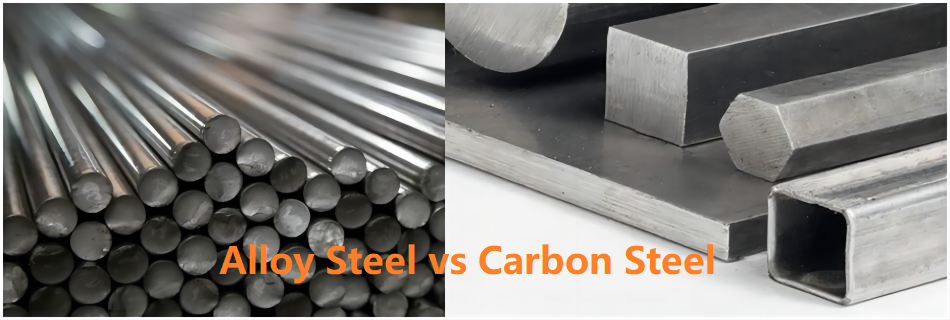
In the domain of chisel fabrication, traditional high-carbon steel has historically held a dominant position, primarily attributed to its cost-effectiveness. Nevertheless, as the intensity and frequency of engineering operations escalate continuously, the manifestation of metal fatigue in this material under high-frequency impact loading has become increasingly pronounced. Consequently, the inherent performance constraints of high-carbon steel are no longer adequate to fulfill the intricate demands of contemporary engineering practices.
Material science breakthroughs have revolutionized chisel manufacturing via next-generation alloy steels. By precisely tuning vanadium, titanium, and other alloying elements and innovating chemical compositions, these steels boast enhanced strength, toughness, and abrasion resistance. Microstructural analysis shows a denser, more uniform grain structure—markedly different from traditional high-carbon steel—significantly reducing crack formation and extending fatigue life tenfold. These advancements underpin major improvements in chisel performance.
Ⅱ. Deciphering Precision Manufacturing Processes: Intelligent Production in the Era of Industry 4.0
The harmonious integration of high-performance materials and advanced manufacturing methodologies is a fundamental prerequisite for unlocking the full performance potential of materials. Enabled by the deep convergence of Industry 4.0 technological ecosystems, the chisel manufacturing sector is experiencing a swift evolution towards intelligent and precision-centric paradigms. Among these advancements, the segmented quenching technique, a significant breakthrough in the realm of heat treatment processes, presents an innovative and state-of-the-art solution for enhancing the comprehensive mechanical properties of chisels.
In traditional quenching processes, single-step rapid cooling can enhance steel strength, but it inevitably poses a risk of heat stress concentration. This often leads to cracking and deformation, especially in chisels with complex geometries. Segmented quenching technology, leveraging the principles of thermodynamic phase transformation, revolutionizes quenching through a multi-temperature gradient cooling strategy.The process commences with a carefully controlled slow cooling phase, allowing partial pre-transformation of austenite and dissipating heat stress. This is followed by a rapid cooling stage that transforms the remaining austenite into martensite. This two-stage cooling approach effectively alleviates heat stress concentration, ensuring a uniform microstructure within the chisel. Consequently, the chisel maintains stable mechanical properties and exhibits significantly improved service performance.
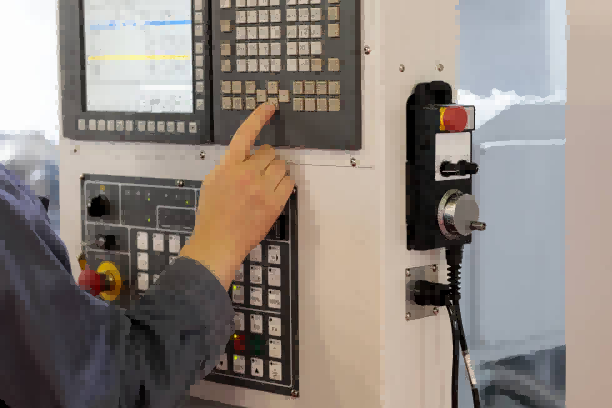
Complemented by advanced sensing and monitoring systems, along with intelligent closed-loop control algorithms, segmented quenching technology enables dynamic optimization and precise regulation of quenching parameters. By integrating high-precision CNC machining equipment with an innovative manufacturing process system, it not only boosts the dimensional accuracy of chisel production but also enhances the material’s microstructure and mechanical properties. These advancements serve as the cornerstone for the iterative evolution of chisel manufacturing technology.
III. Performance Verification in Extreme Environments: Meeting the Challenges of Complex Working Conditions
Engineering operational environments are inherently complex and dynamic, typified by extreme thermal gradients ranging from cryogenic conditions of -30°C to elevated temperatures reaching 50°C. These settings are further characterized by diverse environmental stressors, encompassing high-salinity marine atmospheres and abrasive dust-laden mining environments. In these multifaceted operational contexts, chisel tools are required to exhibit unwavering performance stability and reliability. To ensure adherence to rigorous quality benchmarks, researchers have adopted a synergistic approach combining laboratory-based simulation techniques with in-situ field assessments for comprehensive chisel performance evaluation.
Within controlled laboratory environments, artificial simulations of extreme thermal and corrosive conditions are employed to systematically analyze the performance evolution of chisels under varying stressors. Experimental findings indicate that the novel chisel design maintains substantial toughness at cryogenic temperatures, demonstrates minimal strength degradation under elevated thermal loads, and exhibits a significantly enhanced corrosion resistance profile compared to conventional counterparts. Complementary real-world field trials, conducted across multiple large-scale engineering projects, have corroborated these laboratory results. The new chisels have shown a notable extension in service life and a marked improvement in operational efficiency, thereby validating their robust environmental adaptability and dependability.
Ⅳ. Green Manufacturing and Circular Economy: New Paths to Sustainable Development
In the context of worldwide impetus towards green development, the chisel manufacturing sector is intensively pursuing sustainable development paradigms. This is accomplished through the strategic implementation of waste product remanufacturing and the adoption of eco-conscious production methodologies, thereby enabling the simultaneous optimization of economic viability and environmental stewardship.
The recycling and remanufacturing of waste chisels, as the pivotal tenet of circular economy principles within the chisel manufacturing sector, effectuates efficient resource recycling via systematic technological innovation. In contrast to conventional remelting methodologies, contemporary re-manufacturing techniques hinge upon an array of precision processes, including non-destructive testing, surface restoration, and performance augmentation. By preserving the base material, these techniques enable the performance reconstruction of waste chisels. Empirical evidence demonstrates that remanufactured chisels not only satisfy but frequently surpass the technical specifications of newly fabricated products. Concurrently, they substantially mitigate carbon emission intensity across their entire life cycle, thereby effectively alleviating the pressures associated with resource depletion and environmental degradation. Furthermore, the innovative integration of bio-based lubricants, characterized by their exceptional biodegradability and eco-friendly attributes, serves to enhance the green technology framework of chisel manufacturing, offering crucial technical underpinnings for the industry’s sustainable development.
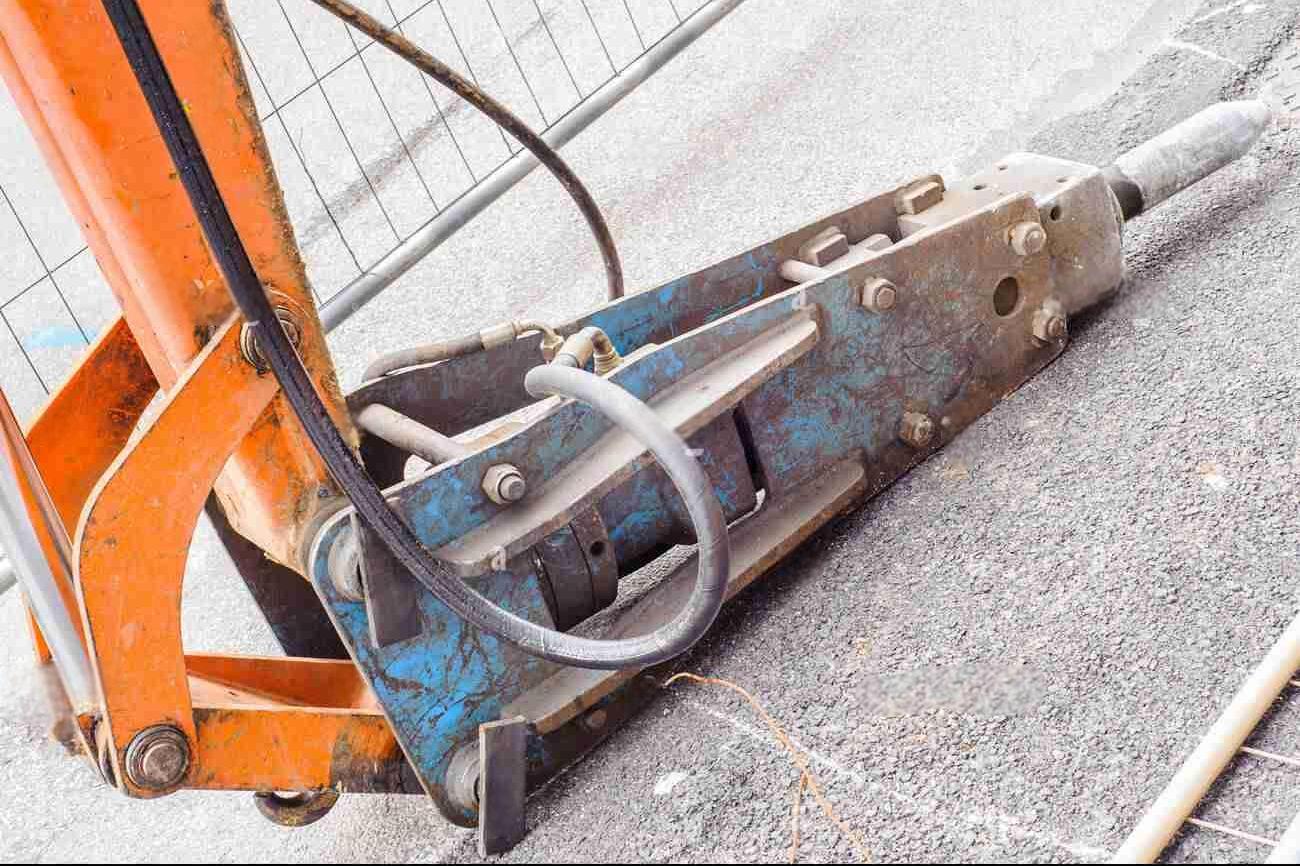
Below, you will find detailed data on our company’s chisel products, encompassing a wide range of models tailored to various engineering requirements. Each model is meticulously designed with the latest technological advancements, ensuring superior performance, durability, and reliability. Should you not find the specific model you need among our offerings, please do not hesitate to reach out to our dedicated customer service team. Our experts are ready to provide personalized consultations, helping you find the ideal chisel solution for your projects or explore potential customization options.
| Product name | Applicable Brand | Applicable Model | Diameter(MM) | Diameter(In) | Length(MM) | Length(In) | Weight(Kg) | Weight(Lbs) |
| Indeco HP9000 Tool | Indeco | HP9000 | 195 | 7.68 | 1530 | 60.24 | 360 | 793.66 |
| Indeco HP7000 Tool | Indeco | HP7000 | 180 | 7.09 | 1450 | 57.09 | 290 | 639.33 |
| Indeco HP5000 Tool | Indeco | HP5000 | 159 | 6.26 | 1320 | 51.97 | 203 | 447.53 |
| Indeco HP4000 Tool | Indeco | HP4000 | 150 | 5.91 | 1250 | 49.21 | 172 | 379.19 |
| Indeco HP3500 Tool | Indeco | HP3500 | 144 | 5.67 | 1170 | 46.06 | 130 | 286.60 |
| Indeco HP3000 Tool | Indeco | HP3000 | 140 | 5.51 | 1100 | 43.31 | 115 | 253.53 |
| Indeco HP2500 Tool | Indeco | HP2500 | 130 | 5.12 | 1050 | 41.34 | 101 | 222.66 |
| Indeco HP2000 Tool | Indeco | HP2000 | 119 | 4.69 | 1000 | 39.37 | 87 | 191.80 |
| Indeco HP1800 Tool | Indeco | HP1800 | 114 | 4.49 | 1000 | 39.37 | 75 | 165.35 |
| Indeco HP1500 Tool | Indeco | HP1500 | 109 | 4.29 | 900 | 35.43 | 55 | 121.25 |
| Indeco HP1200 Tool | Indeco | HP1200 | 90 | 3.54 | 800 | 31.50 | 33 | 72.75 |
| Indeco HP900 Tool | Indeco | HP900 | 89 | 3.50 | 700 | 27.56 | 30 | 66.14 |
| Indeco HP700 Tool | Indeco | HP700 | 80 | 3.15 | 650 | 25.59 | 24 | 52.91 |
| Indeco HB8 Tool | Indeco | HB8 | 80 | 3.15 | 700 | 27.56 | 24 | 52.91 |
| Indeco HP600 Tool | Indeco | HP600 | 73 | 2.87 | 680 | 26.77 | 19 | 41.89 |
| Indeco HP500 Tool | Indeco | HP500 | 65 | 2.56 | 650 | 25.59 | 15 | 33.07 |
| Indeco HP350 Tool | Indeco | HP350 | 56 | 2.20 | 600 | 23.62 | 10 | 22.05 |
| Indeco HP200 Tool | Indeco | HP200 | 48 | 1.89 | 550 | 21.65 | 6 | 13.23 |
| Indeco HP150 Tool | Indeco | HP150 | 45 | 1.77 | 440 | 17.32 | 4 | 8.82 |
| JCB HM 3060 Q Tool | JCB | HM 3060 Q | 165 | 6.50 | 1350 | 53.15 | 197 | 434.31 |
| JCB HM 2460 Q Tool | JCB | HM 2460 Q | 150 | 5.91 | 1300 | 51.18 | 160 | 352.74 |
| JCB HM 1760 Q Tool | JCB | HM 1760 Q | 140 | 5.51 | 1200 | 47.24 | 128 | 282.19 |
| JCB HM 1560 Q Tool | JCB | HM 1560 Q | 135 | 5.31 | 1100 | 43.31 | 106 | 233.69 |
| JCB HM 1260 Q Tool | JCB | HM 1260 Q | 115 | 4.53 | 1060 | 41.73 | 76 | 167.55 |
| JCB HM 860 Q Tool | JCB | HM 860 Q | 100 | 3.94 | 1000 | 39.37 | 56 | 123.46 |
| JCB HM 495 Q Tool | JCB | HM 495 Q | 95 | 3.74 | 840 | 33.07 | 40 | 88.18 |
| JCB HM 385 Q Tool | JCB | HM 385 Q | 80 | 3.15 | 800 | 31.50 | 28 | 61.73 |
| JCB HM 360 Tool | JCB | HM 360 | 70 | 2.76 | 740 | 29.13 | 20 | 44.09 |
| JCB HM 265 Q Tool | JCB | HM 265 Q | 65 | 2.56 | 600 | 23.62 | 13 | 28.66 |
| JCB HM 260 Tool | JCB | HM 260 | 63 | 2.48 | 700 | 27.56 | 15 | 33.07 |
| JCB HM 165 Q Tool | JCB | HM 165 Q | 50 | 1.97 | 510 | 20.08 | 6.5 | 14.33 |
| JCB HM 160 Tool | JCB | HM 160 | 45 | 1.77 | 480 | 18.90 | 5.5 | 12.13 |
| JCB HM 100 / HM 100Q Tool | JCB | HM 100 / HM 100Q | 45 | 1.77 | 500 | 19.69 | 5.5 | 12.13 |
| JCB HM 65 Tool | JCB | HM 65 | 40 | 1.57 | 430 | 16.93 | 4 | 8.82 |
| Komastu JKHB2000 Hydraulic hammer asphalt cutter | Komastu | JKHB2000 | 150 | 5.91 | 1350 | 53.15 | 162 | 357.15 |
| Komastu JkHB 1500 Hydraulic hammer wedge chisel | Komastu | JKHB1500 | 137 | 5.39 | 1250 | 49.21 | 127 | 279.98 |
| Komastu JkHB 801 Hydraulic hammer elephant foot | Komastu | JkHB 801 | 100 | 3.94 | 1000 | 39.37 | 53 | 116.84 |
| Komastu JKHB401 Hydraulic hammer post hole driver | Komastu | JKHB401 | 80 | 3.15 | 900 | 35.43 | 30 | 66.14 |
| Komastu JKHB301 Hydraulic hammer ramming tool | Komastu | JKHB301 | 70 | 2.76 | 740 | 29.13 | 19 | 41.89 |
| Komastu JKHB101 Hydraulic hammer pipe driver | Komastu | JKHB101 | 57 | 2.24 | 580 | 22.83 | 9.5 | 20.94 |
| Komastu M30 Hydraulic hammer flat chisel | Komastu | M30 | 54 | 2.13 | 530 | 20.87 | 8 | 17.64 |
| Komastu JKHB 71 Hydraulic hammer chisel | Komastu | JKHB 71 | 45 | 1.77 | 480 | 18.90 | 5 | 11.02 |
| Komastu JKHB 51 Hydraulic hammer chisel | Komastu | JKHB 51 | 42 | 1.65 | 410 | 16.14 | 5 | 11.02 |
| Komastu PC09-1 Hydraulic breaker moil point tool | Komastu | PC09-1 | 35 | 1.38 | 600 | 23.62 | 6 | 13.23 |
| Komastu JTHB 230 Hydraulic breaker moil point | Komastu | JTHB230 | 146 | 5.75 | 1300 | 51.18 | 135 | 297.62 |
| Komastu JTHB 190 Hydraulic breaker blunt tool | Komastu | JTHB190 | 140 | 5.51 | 1200 | 47.24 | 123 | 271.17 |
| Komastu JTHB 100 Rock breaker flat end | Komastu | JTHB100 | 115 | 4.53 | 1050 | 41.34 | 74 | 163.14 |
| Komastu JTHB 70 Rock breaker flat tools | Komastu | JTHB70 | 115 | 4.53 | 940 | 37.01 | 65 | 143.30 |
| Komastu JTHB 60/65 Rock breaker flat tool | Komastu | JTHB60/65 | 95 | 3.74 | 840 | 33.07 | 40 | 88.18 |
| Komastu JTHB 50 Rock breaker moil tools | Komastu | JTHB50 | 75 | 2.95 | 720 | 28.35 | 21 | 46.30 |
| Komastu JTHB 40 Rock breaker moil tool | Komastu | JTHB40 | 64 | 2.52 | 700 | 27.56 | 15 | 33.07 |
| Komastu JTHB 30 TOOL | Komastu | JTHB30 | 58 | 2.28 | 600 | 23.62 | 11 | 24.25 |
| Komastu JTHB 20 TOOL | Komastu | JTHB20 | 50 | 1.97 | 500 | 19.69 | 7 | 15.43 |
| Komastu JTHB 10 TOOL | Komastu | JTHB10 | 45 | 1.77 | 450 | 17.72 | 5 | 11.02 |
| Komatsu JTHB 08 Tool | Komastu | JTHB 08 | 40 | 1.57 | 450 | 17.72 | 4 | 8.82 |
| OKADA top35 Rock breaker chisel | OKADA | top35 | 60 | 2.36 | 500 | 19.69 | 15 | 33.07 |
| OKADA 316 Rock breaker moil point tool | OKADA | 316 | 140 | 5.51 | 1300 | 51.18 | 130 | 286.60 |
| OKADA 312B Rock breaker moil point | OKADA | 312B | 130 | 5.12 | 1150 | 45.28 | 108 | 238.10 |
| OKADA Top60B Rock breaker blunt tool | OKADA | Top60B | 85 | 3.35 | 900 | 35.43 | 32 | 70.55 |
| OKADA OKB305 Rock breaker blunt tool | OKADA | 305 | 85 | 3.35 | 900 | 35.43 | 32 | 70.55 |
| OKADA OKB303 Rock breaker flat end | OKADA | 303 | 66 | 2.60 | 700 | 27.56 | 16 | 35.27 |
| OKADA OKB302 Rock breaker flat tool | OKADA | 302 | 60 | 2.36 | 550 | 21.65 | 11 | 24.25 |
Conclusion: Bringing Technology Back to the Essence of Engineering
From the vantage point of material innovation to the realm of intelligent manufacturing, from the arduous trials of extreme environment validations to the attainment of international standard certifications, and culminating in the pursuit of green sustainable development, chisel technology has been propelling the infrastructure construction industry forward through a series of comprehensive innovations. As scientific and technological advancements persist, chisel technology is poised to evolve towards enhanced performance metrics, heightened levels of automation, and more environmentally conscientious paradigms. These advancements will serve to fortify and invigorate global engineering construction endeavors, ensuring the industry’s resilience and progress.