

 Change Language


In the dynamic realms of landscaping, agriculture, and grounds maintenance, Lawn Mowers have firmly established themselves as essential equipment. Renowned for their adaptability, these robust machines are engineered to tackle an extensive array of cutting challenges, from manicuring pristine lawns and maintaining lush pastures to conquering thick, overgrown vegetation. This blog post will delve deep into the intricacies of Lawn Mowers—unraveling their definition, elucidating their operational mechanisms, exploring the diverse types available, highlighting common applications, and, most crucially, providing invaluable insights on how to preserve their peak performance through consistent upkeep and maintenance.
A Deep Dive into Lawn Mowers
A Lawn Mower is a specialized cutting implement, characterized by a rotating drum or shaft outfitted with an array of flails or blades. Typically crafted from high-strength steel, these components come in various shapes and sizes, meticulously engineered to match the mower’s design and operational needs. Unlike traditional rotary mowers with a single horizontal cutting blade, Lawn Mowers utilize multiple vertically oriented, rotating blades.This unique design enables them to efficiently tackle a broad range of vegetation, from common grasses and weeds to thick underbrush and even small trees like saplings.
How Lawn Mowers Operate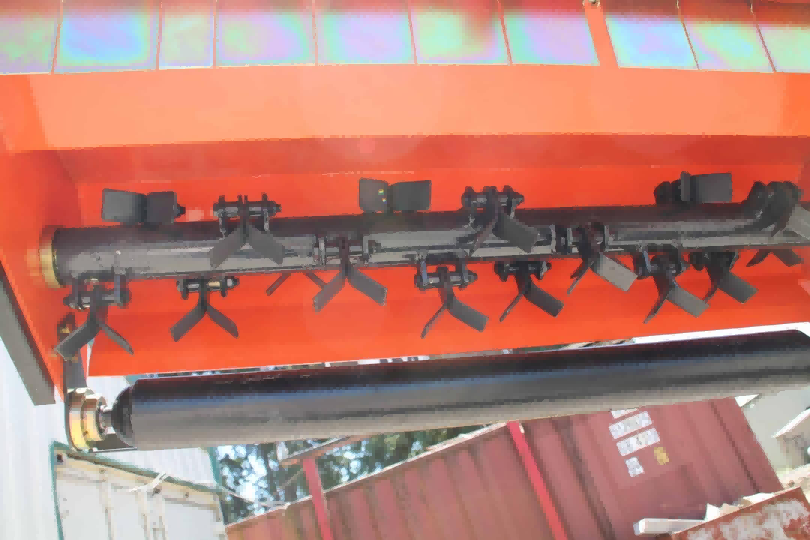
Lawn Mowers leverage rotational kinetic energy generated by the flail drum to achieve efficient cutting. As the drum spins at high speeds, centrifugal force extends the flails outward, creating a powerful dual-action cutting mechanism. First, the flails strike the vegetation with considerable force, followed by a slicing motion as they pass through the plant material. This two-step process allows Lawn Mowers to handle tough, fibrous vegetation that can cause clogs or mechanical damage in traditional mowers.
After cutting, the processed plant matter can be dispersed laterally, rearward, or collected using an integrated bagging system. The specific discharge method depends on the mower’s design and the operator’s chosen settings.
Unveiling the Diverse Landscape of Lawn Mowers
Lawn Mowers can be classified into several types based on different criteria, such as the power source, the type of flails, and the intended application.
By Power Source
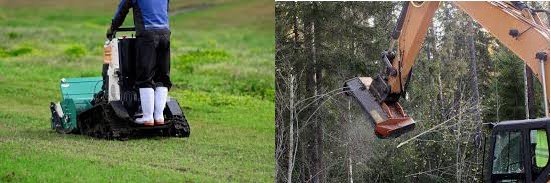
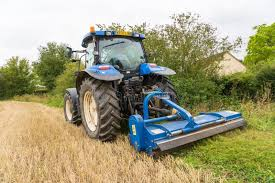
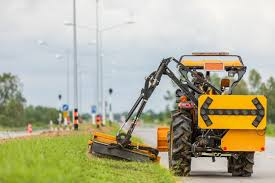
- Tractor-Mounted Lawn Mowers: The most common type, these Lawn Mowers are designed for attachment to tractors. Drawing power directly from the tractor’s engine, they utilize its horsepower to drive the flail drum with efficiency. Ranging widely in size, they include compact models tailored for small tractors and heavy-duty, industrial-grade versions capable of precise, large-scale cutting tasks.
- Handheld Lawn Mowers: Compact and portable, handheld Lawn Mowers are powered by either gasoline engines or electric motors. Ideal for small-scale jobs, they excel in garden maintenance, trimming small lawns, and reaching tight or oddly-shaped areas where tractor-mounted mowers cannot access.
By Flail Type
- Standard Flails: As the foundational type of flail blades, standard flails are expertly crafted for efficiently cutting grass, weeds, and light underbrush. With straight or slightly curved shapes, their precision-sharpened cutting edges ensure optimal material separation during operation, making them ideal for routine landscaping tasks.
- Heavy-Duty Flails: Built to tackle demanding vegetation management, heavy-duty flails are engineered to handle thick-stemmed plants, young trees, and dense brush. Constructed from premium steel alloys and featuring reinforced designs, these robust flails can withstand the high impact forces generated when cutting tough materials, making them indispensable for clearing overgrown areas.
- Mulching Flails: Mulching flails are specialized cutting tools designed to perform a dual function: removing vegetation and decomposing organic material. Their unique blade design and operation mechanics allow for the repeated mechanical breakdown of cut biomass, reducing it into fine mulch particles. This mulch can be integrated into the soil, promoting nutrient cycling and enhancing soil health.
Insert a clear close-up photo of the three main types of dump knives
N Ingenious Uses of Lawn Mowers!
Renowned for their remarkable versatility and robust durability, Lawn Mowers have become an indispensable tool across a diverse range of applications.
Landscaping
- Lawn Maintenance: Lawn Mowers excel at maintaining large lawns, providing efficient and consistent grass cutting. They’re ideal for tackling overgrown areas and weeds, keeping lawns tidy.
- Hedge and Bush Trimming: Some Lawn Mowermodels with specialized attachments enable precise trimming, creating a neat, uniform look in landscaped areas.
Agriculture
- Pasture Management: Lawn Mowers are essential for maintaining healthy pastures. They trim grass, control weeds, and remove debris, which helps foster nutritious forage growth while preventing invasive species from taking over.
- Crop Residue Disposal: After harvest, these mowers cut and mulch corn stalks, wheat straw, and other residues. This process aids soil nutrient cycling and reduces the risk of pests and diseases.
Forestry and Land Clearing
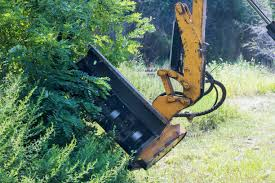
- Brush and Vegetation Control: Lawn Mowers excel at clearing dense brush, small trees, and saplings in forests. They’re essential for creating firebreaks, opening access paths, and preparing land for development.
- Forest Stand Improvement: In forestry, lawn mowers selectively thin young trees and underbrush. This improves growth conditions, enhancing the health and vitality of the remaining forest.
A Comprehensive Guide to Daily Maintenance of Lawn Mowers
For your lawn mower to operate at peak efficiency and enjoy an extended lifespan, consistent maintenance is crucial. Here are some key upkeep tasks to incorporate into your daily or routine schedule:
Inspection
- Before each use, thoroughly examine the lawn mowerfor visible damage. Look for bent or broken flails, cracks in the drum or housing, and loose or missing bolts and nuts. Any of these issues can compromise performance and safety.
- Regularly check the cutting blades or flails for signs of dullness and wear. Worn-out blades not only reduce cutting efficiency but also increase the risk of mechanical failures, potentially causing further damage to the mower’s internal components.
Lubrication
- Strictly follow the manufacturer’s maintenance guidelines to lubricate all moving parts, such as bearings, hinges, and pivot points. Consistent lubrication promotes smooth operation and extends the life of crucial components.
- Opt for high-quality lubricants designed specifically for your lawn mower’s materials and operating conditions. Be mindful of over-lubrication, as excess lubricant can attract dirt and debris, which may cause mechanical issues and accelerate wear. Regularly clean off any surplus lubricant to ensure peak performance.
Cleaning
- Upon completion of each operational cycle, conduct a thorough cleaning of the lawn mowerto eliminate any dirt, debris, and grass clippings that have accumulated on the machine’s surface and components.
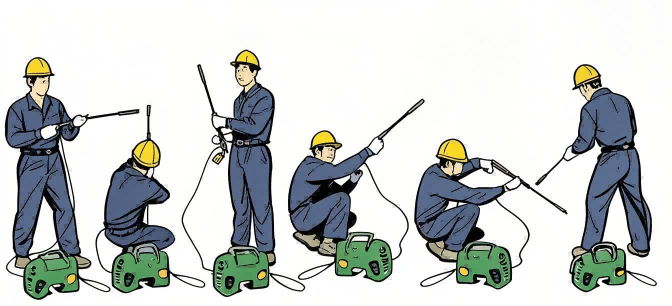
- Employ a pressure washer or a sturdy bristle brush to meticulously clean the mower’s drum, housing, and other accessible parts. Exercise caution to avoid directing the high – pressure stream of the washer at the bearings or other delicate components, as this may cause damage.
- Inspect and clean the air filter (if present) as per the manufacturer’s specifications. Maintaining a clean air filter is essential for ensuring a consistent supply of clean air to the engine, which in turn preserves optimal engine performance and fuel efficiency.
Blade Maintenance
- Regularly sharpening flail blades is crucial for optimal cutting efficiency. Dull blades not only increase the machine’s workload but also cause higher fuel consumption and premature wear on the engine and other mechanical parts.
- If a flail or blade sustains irreparable damage, replace it immediately. Using damaged blades can create a rotational imbalance in the cutting drum, leading to excessive vibrations that may cause structural damage to the mower.
Storage
- Clean and dry thoroughly before long-term storage to prevent rust and maintain structural integrity.
- Store in a dry, enclosed space like a shed or garage. Elevate the mower on stands or pallets to avoid moisture buildup underneath.
- For battery-powered models, disconnect the battery to prevent discharge. Empty the fuel tank completely to avoid fuel degradation, which can cause issues like clogged lines and carburetor problems.
The Outstanding Advantages of A&D’s Lawn Mowers: Redefining Industry Standards
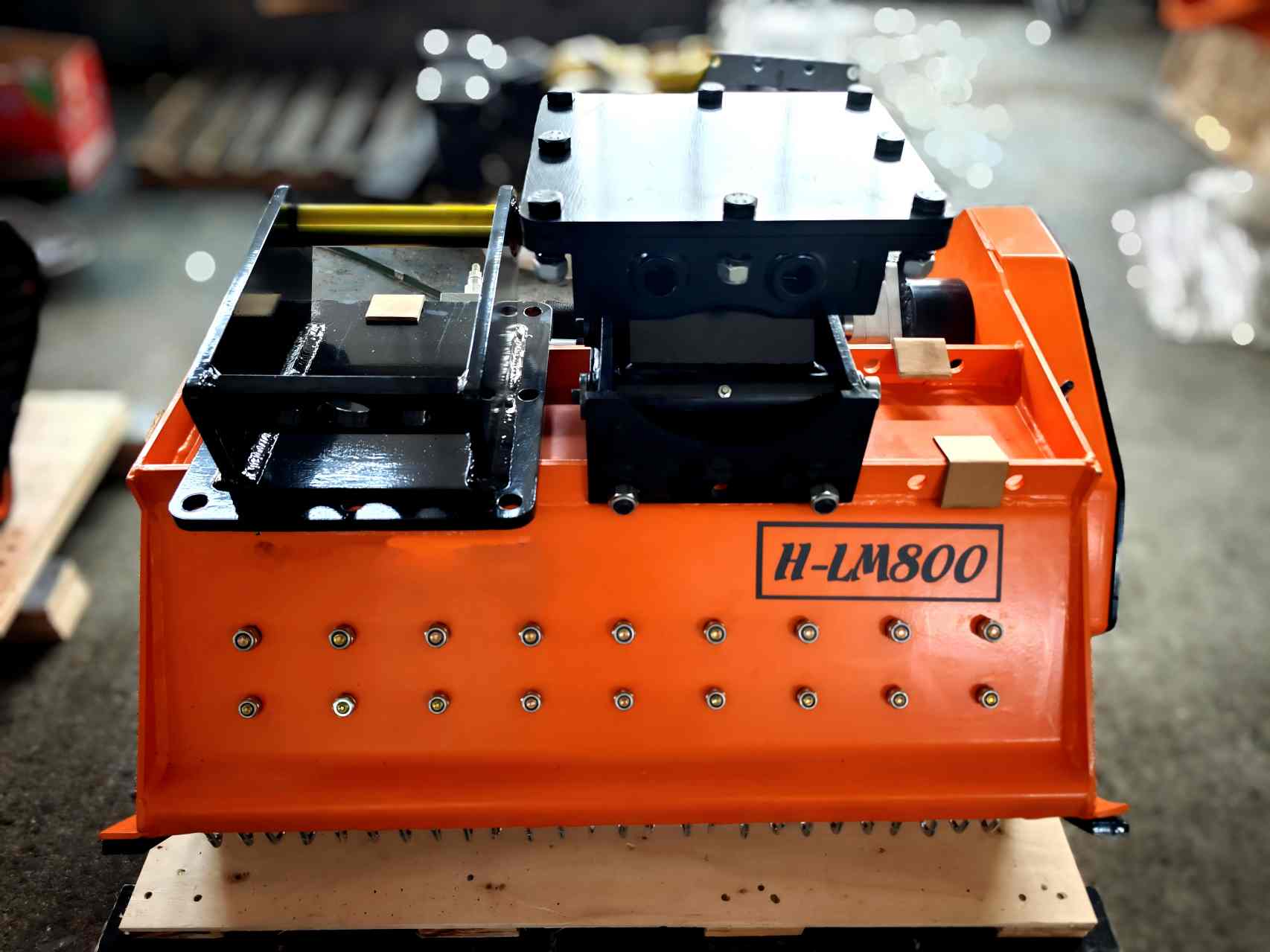
- Crafted from premium-grade materials and leveraging cutting-edge technology, our lawn mowers are engineered for peak performance and long-lasting durability. Recognizing the diverse requirements of our customers, we’ve curated an extensive product lineup. Whether you’re tending to a small backyard garden or managing vast agricultural fields and forestry landscapes, our range has the perfect lawn mowerto meet your specific operational needs.
- Engineered for peak performance, our lawn mowers deliver unrivaled cutting efficiency across diverse terrains and challenging conditions. Crafted from premium-grade high-strength steel, the flail blades exhibit superior abrasion resistance, maintaining their sharp edge and cutting prowess over extended use.
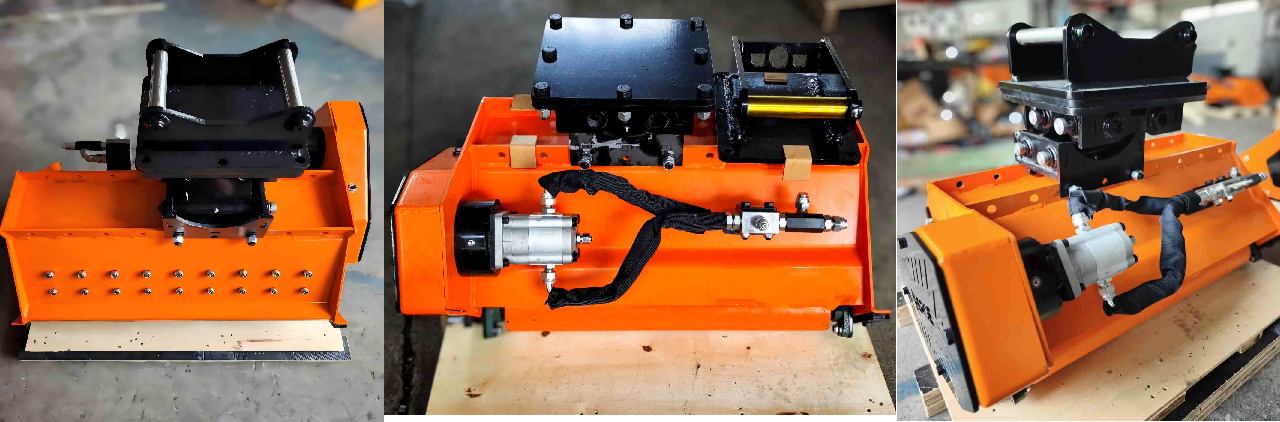
- Designed with user convenience in mind, our mowers feature an intuitive maintenance design. Easily accessible components and detailed, step-by-step maintenance guides minimize downtime, allowing you to focus on the task at hand rather than prolonged upkeep.
- Our dedicated customer service team stands ready to address any queries or concerns you may encounter. Whether you require guidance in selecting the ideal lawn mowertailored to your specific requirements or need expert advice on maintenance and upkeep, we’re here to support you every step of the way. When you’re in search of a dependable, top-tier lawn mower, don’t hesitate to reach out. We take pride in delivering the products and services you need to ensure efficient and effective operation.
In conclusion, lawn mowers stand as indispensable and adaptable implements, catering to diverse agricultural and landscaping needs. By thoroughly grasping their operational principles, exploring the variety of available types, understanding their practical applications, and adhering to a routine maintenance schedule, you can optimize your lawn mower’s performance and extend its lifespan. When the time comes to select a lawn mower, our products are engineered to deliver superior quality, reliable performance, and comprehensive support, ensuring that every task is accomplished with precision and efficiency.