

 Change Language

Introduction
In the high – stakes arenas of construction, demolition, and mining, the hydraulic breaker—alternatively referred to as a hydraulic hammer—emerges as a game – changing piece of machinery. This blog is your one – stop resource, aiming to demystify every aspect of selecting the perfect hydraulic breaker for your excavator.
What Exactly is a Hydraulic Breaker?
A hydraulic breaker serves as a specialized attachment meticulously engineered to seamlessly interface with excavators.
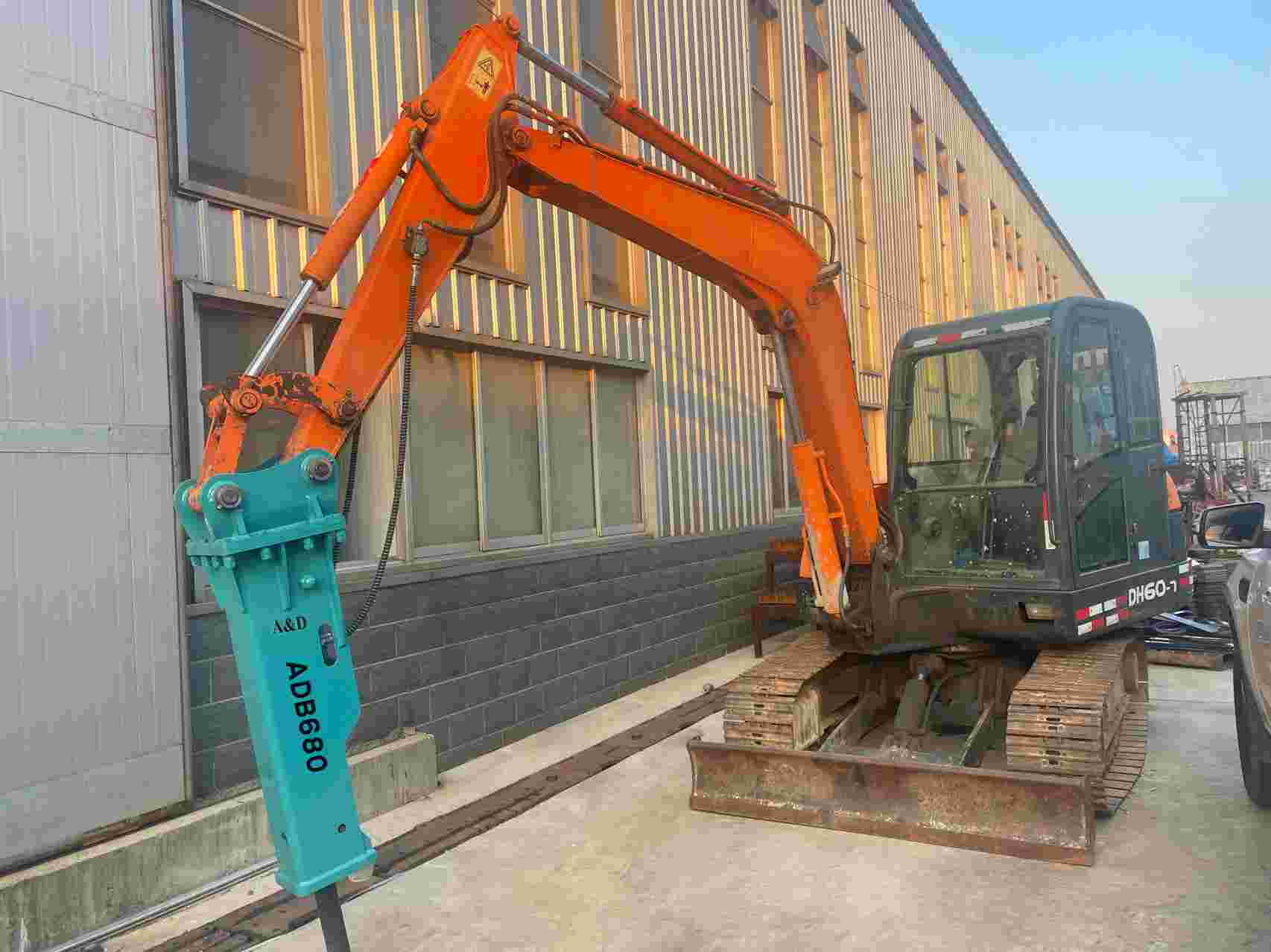
It acts as a conversion device, effectively transforming hydraulic energy supplied by the excavator into intense mechanical force. Comprising key components such as a piston, cylinder, chisel, and an accumulator, it is designed to endure high – impact operations. The piston, driven by hydraulic oil pressure, repeatedly strikes the chisel with great force, creating the impact necessary to break through various materials. The accumulator, on the other hand, stores hydraulic energy, ensuring smooth operation and reducing pressure fluctuations.
Applications
Demolition
1.Building Demolition: In urban renewal projects, hydraulic breakers are essential for safely and efficiently demolishing old buildings. They can target specific areas, selectively breaking down walls, floors, and columns. For example, when demolishing a multi – story building, operators can use the breaker to carefully remove structural elements, minimizing damage to surrounding structures.
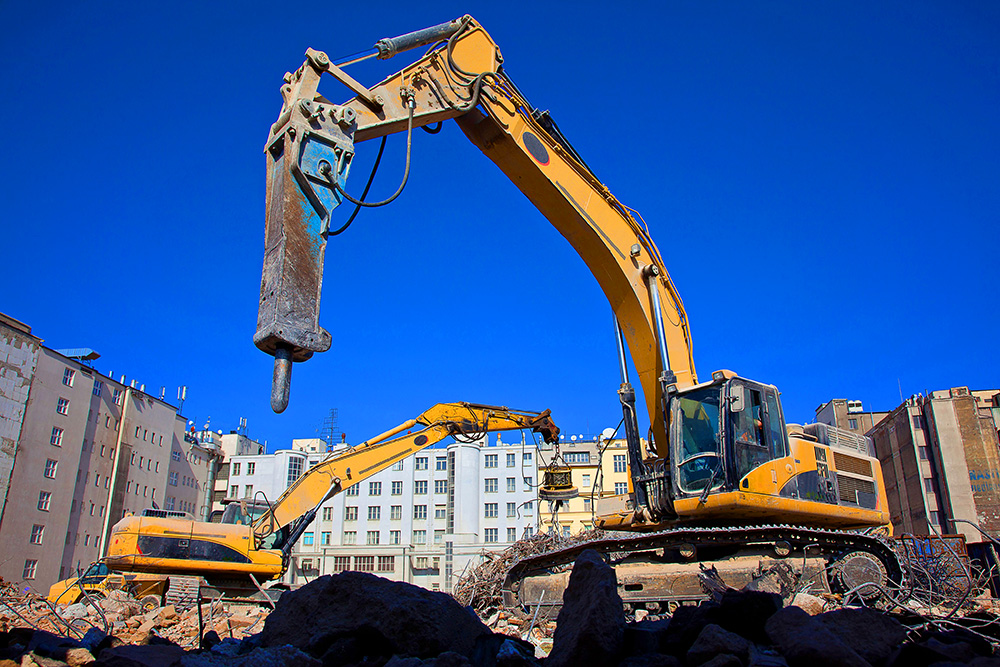
2.Bridge Demolition: Bridges, often made of reinforced concrete and steel, require powerful tools for demolition. Hydraulic breakers can penetrate thick concrete layers and shear through steel reinforcements, enabling the dismantling of large – scale bridge structures.
Excavation
1.Rocky Terrain Excavation: In road construction and large – scale earth moving projects, excavators equipped with hydraulic breakers are indispensable when dealing with rocky terrains. For instance, in mountainous regions where natural rock formations impede progress, the breaker can break the rock into smaller, more manageable pieces.
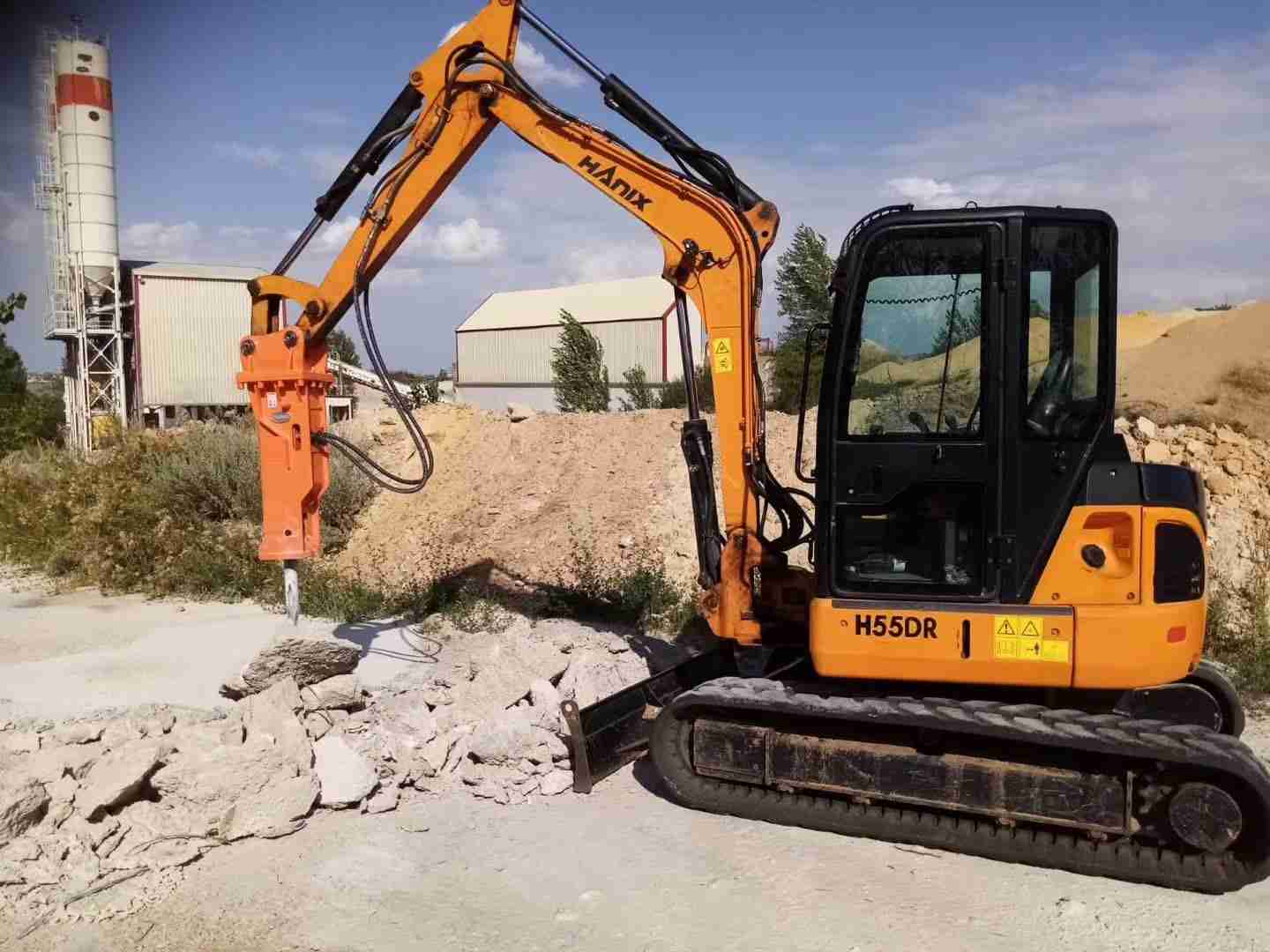
2.Foundation Excavation: When constructing the foundation of a building, hydraulic breakers can be used to break up hard – packed soil and rocks, preparing the site for further construction work.
Mining
1.Underground Mining: In underground mines, space is often limited, and traditional mining methods may not be feasible. Hydraulic breakers attached to small – sized excavators can access narrow tunnels and break rock, facilitating the extraction of valuable minerals.
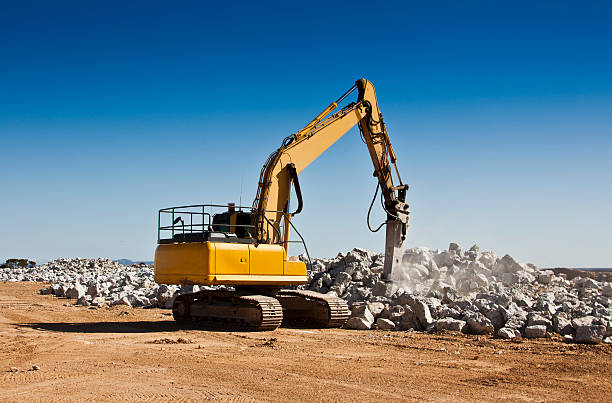
2.Surface Mining: On the surface, hydraulic breakers are used to break large boulders into smaller chunks, making it easier to transport and process the ore.
Operating Principle
Hydraulic breakers operate on Pascal’s principle. High – pressure oil from the excavator’s hydraulic system drives a piston in the breaker cylinder. The piston strikes the chisel at high speed, enabling the breaker to penetrate durable materials.
Advantages
Hydraulic breakers significantly reduce demolition time. For example, a concrete foundation that would take days to break manually can be demolished in hours.
This cuts labor costs and speeds up projects. They also reach hard – to – access areas, adding flexibility on the job site.
Our Range of Hydraulic Breakers
We offer a diverse range of hydraulic breakers, each designed to match different excavator models. We can supply all kinds of hydraulic breakers suitable for 1-60 ton excavators, The following table provides an overview of our product range:
| Specification | Unit | ADB450 | ADB530 | ADB680 | ADB750 | ADB1000 | ADB1350 | ADB1400 | ADB1550 | ADB1750 |
| Weight | kg | 120 | 120 | 350 | 480 | 960 | 1680 | 1970 | 2850 | 3560 |
| Required Oil Flow | L/min | 20-40 | 25-50 | 40-70 | 50-90 | 80-120 | 130-170 | 130-170 | 170-220 | 220-280 |
| Working Pressure | kg/cm2 | 90-120 | 90-120 | 95-130 | 95-130 | 130-150 | 160-180 | 160-180 | 200-240 | 250-290 |
| Impact Rate | bpm | 550-950 | 550-1000 | 500-800 | 450-800 | 350-700 | 350-500 | 350-500 | 300-450 | 200-350 |
| Chisel Diameter | mm | 45 | 53 | 68 | 75 | 100 | 135 | 140 | 155 | 175 |
| Hose Diameter | inch | 1/2 | 1/2 | 1/2 | 1/2 | 3/4 | 1 | 1 | 5/4 | 1 1/4 |
| Carrier Weight | ton | 1.0-2.5 | 2.5-4 | 4-7 | 6-9 | 11-16 | 18-25 | 20-26 | 28-35 | 40-55 |
Selecting the Right Hydraulic Breaker for Your Excavator
Match the breaker’s specifications to your excavator’s. A breaker that’s too small won’t have enough power, while one that’s too large can damage your excavator.
Share your excavator’s model or operating weight with us. Our experts will recommend the right breaker.
Procurement Process
Inquiry: Contact us via website, email, or phone. Provide excavator details and requirements. Tell us your excavator model or capacity
Quotation: We’ll send a detailed quote, including price, shipping costs, and delivery time.
Order Placement: Accept the quote and place your order. We require a deposit to start processing.
Shipping: We ship via sea freight. Our logistics team manages paperwork and delivery to your port.
What to Do When You Receive Your Hydraulic Breaker
Inspection: Inspection: Upon receiving the hydraulic breaker, carefully inspect it for any signs of damage during transit. Check all the components, including the hoses, fittings, and the breaker body. Look for scratches, dents, or signs of leakage that could indicate damage
Documentation: Review the user manual and warranty documents.
First Time Use Precautions
Installation: Install the breaker correctly following the manual. Begin by cleaning the mounting points on both the excavator. Use the appropriate tools to secure the breaker firmly, and double – check all bolts and fasteners for proper torque.
Hydraulic System Check: Before using the hydraulic breaker for the first time, check the hydraulic oil level and quality in your excavator. The oil level should be within the recommended range.Additionally, inspect all hydraulic hoses and connections for leaks, cracks, or signs of wear.
Test Run: Conduct a test run in a safe and controlled environment. Start with low – impact operations and gradually increase the intensity as you gain confidence.
Routine Maintenance
Daily Maintenance:Check the hydraulic hoses and fittings for any signs of leakage or damage. Look for wet spots, drips, or oil stains that could indicate a leak. If a hose is damaged, replace it immediately to prevent further damage to the hydraulic system.
Weekly Maintenance:Inspect the piston, chisel, and other moving parts for wear. Look for signs of excessive wear, such as grooves, scratches, or uneven surfaces. Replace any worn – out parts to maintain the breaker’s performance. Lubricate all the moving parts as per the manufacturer’s recommendations.
Monthly Maintenance:Change the hydraulic oil and filters. This helps remove contaminants and maintain the integrity of the hydraulic system. Use a pressure gauge to check the accumulator pressure and follow the manufacturer’s instructions for recharging.
Spare Parts Procurement
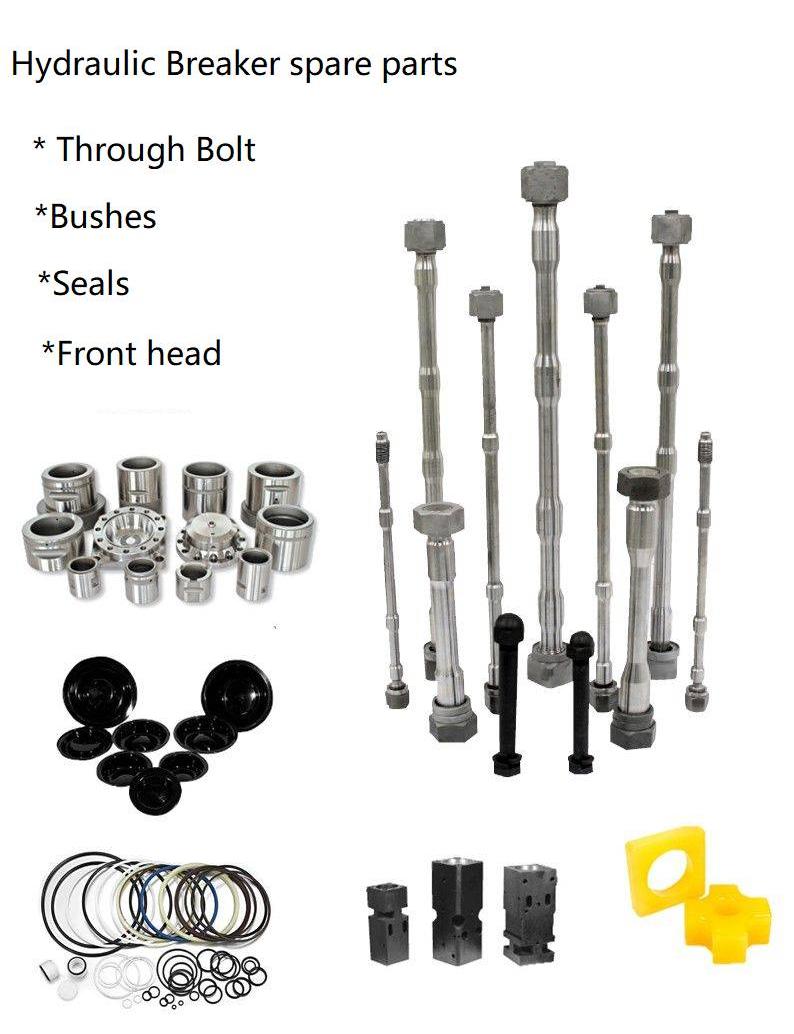
We offer a wide range of genuine spare parts for all our hydraulic breaker models. Whether you need a new chisel, piston, or hydraulic hose, you can easily place an order through our website. We ensure prompt delivery of spare parts, minimizing downtime for your equipment.
After – Sales Service
Our commitment to customer satisfaction continues after the sale. We provide technical support, maintenance advice, and warranty services. Reach out if you face any issues.
Conclusion
In conclusion, choosing the right hydraulic breaker requires understanding its capabilities, your excavator’s specs, and project needs. Follow the guidelines in this blog to make an informed decision. Our breakers, backed by a strong support system, boost efficiency, shorten project timelines, and cut costs. Whether you’re an industry veteran or new to the field, investing in the right breaker is key to long – term project success.