

 Change Language

Prologue: The Significance of Break Hammer Chisel Maintenance

Hydraulic breakers stand as essential tools in construction, mining, and demolition industries. Their operation allows for the effective fragmentation of tough materials such as concrete, rock, and asphalt. At the heart of these breakers is the chisel, a crucial element that endures significant stress, impact, and wear during use. The careful selection, painstaking maintenance, and proper storage of hydraulic breaker chisels are vitally important for achieving optimal performance, extending their service life, and maximizing the return on investment for equipment owners and operators.
This article comprehensively covers the maintenance and storage of hydraulic breaker chisels. By following these suggestions, you can keep chisels in good shape, minimize equipment downtime, and boost the overall performance of hydraulic breaker machinery.
An In – Depth Analysis of Hydraulic Breaker Chisels
Hydraulic breaker chisels represent essential elements within hydraulic breaker systems, playing a pivotal role across construction, mining, and demolition sectors. Functioning as the working extremity, they serve to convert the breaker’s hydraulic energy into high – intensity impact forces, thereby facilitating the fragmentation of resilient materials, including concrete, rock, and asphalt.
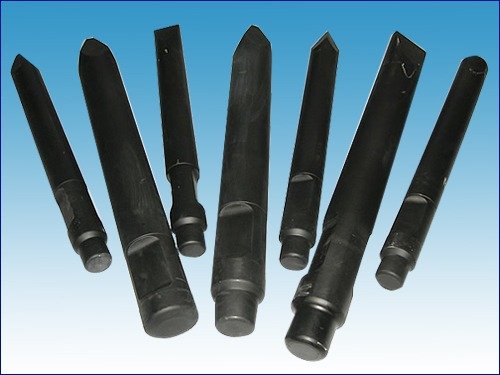
Three primary classifications of these chisels exist, each designed to address specific operational requirements. Point chisels, characterized by their acute tips, exhibit proficiency in penetrating rigid surfaces, rendering them particularly suitable for commencing fracture propagation in demolition undertakings. Moil chisels, featuring blunt, rounded tips, ensure uniform distribution of impact forces, enabling effective disintegration of large – scale, solid materials. Flat chisels, with their broad, planar tips, are employed for surface shaping and finishing subsequent to initial material disruption, making them well – suited for applications demanding a refined outcome, such as road restoration projects.
In summary, the judicious selection of chisel type is fundamental to attaining optimal performance and efficiency in diverse heavy – duty operations.
Significance of Routine Maintenance
Daily maintenance constitutes the bedrock for upholding the hydraulic breaker chisels in an exemplary operational state. Systematic inspection and meticulous care are instrumental in the early detection of latent issues, the prevention of premature degradation, and the assurance that the chisel functions at its peak performance capacity.
Regular Inspection and Maintenance Checks
•Before Operation
Prior to each use, it is crucial to thoroughly inspect the hydraulic breaker chisel for any visible indications of damage, wear, or loose components. The following are the key areas that require careful examination:
- Tip Condition: Scrutinize the tip for signs of wear, such as rounding, cracking, or chipping. A worn tip not only diminishes the chisel’s efficacy in breaking materials but may also impose additional stress on the shank and other components.
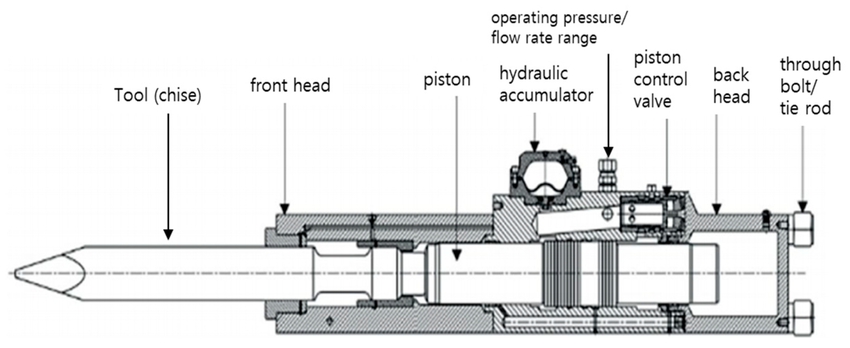
- Shank and Tool Holder Fit: Verify that the shank is free from cracks, deformations, or excessive wear. Ensure that the chisel seats securely within the tool holder, with no discernible play or looseness. A loose fit can generate excessive vibration, potentially causing damage to both the chisel and the breaker.
- Hydraulic Connections: Inspect the hydraulic hoses and connections for leaks, cracks, or damage. Uninterrupted hydraulic fluid flow is essential for the seamless operation of both the breaker and the chisel.
•During Operation
During operation, closely monitor the chisel’s performance and listen intently for any abnormal noises. Excessive vibrations, odd sounds, or a decline in breaking efficiency could signal an issue with the chisel, like a worn tip, a loose shank, or a problem within the hydraulic system.
•After Operation
Upon completion of each operational cycle, the chisel must be meticulously cleaned to eliminate any debris, dirt, or fragments of concrete and rock that may have adhered to the tip, shank, or the vicinity of the tool holder. This maintenance step is crucial for preventing the accumulation of abrasive substances, which, over an extended period, can induce wear and corrosion.
The Importance of Adequate Lubrication
Adequate lubrication of the hydraulic breaker chisel is of paramount importance in mitigating friction both between the chisel and the tool holder and among the moving components of the breaker. This lubrication measure serves to minimize wear and tear, curtail heat generation, and guarantee seamless operation.
•Lubrication Points
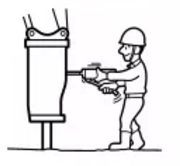
The primary lubrication points of the chisel are located at the shank and the interface between the tool holder and the chisel. In certain breakers, dedicated lubrication fittings are provided for the moving components of the chisel, such as the retaining pin or bushing.
•Lubricant Selection
Employ high-grade, extreme-pressure (EP) grease formulated specifically for heavy-duty industrial applications. This grease must be capable of withstanding the elevated temperatures and substantial pressures associated with breaker operation. Adhere strictly to the manufacturer’s specifications regarding the precise type and grade of grease to be used.
•Lubrication Frequency
Lubrication frequency depends on operating conditions like application intensity, continuous run time, and environment. As a rule, lubricate the chisel before each shift and every 2 – 4 hours during continuous use. Apply grease evenly and in proper amounts to avoid over – lubrication, which can attract dirt and debris, harming equipment performance and lifespan.
The Process of Cleaning
Regularly cleaning the hydraulic breaker chisel is of utmost importance. Over time, dirt, debris, and corrosive substances can build up on its surface, leading to potential damage. The following are the steps for chisel cleaning:
1 .Tools and Materials
- Mild detergent or specialized cleaning agent
- Water (for thorough rinsing)
- Compressed air (for drying inaccessible areas)
- 2.Cleaning Steps
- Disassemble the chisel from the breaker and position it within a clean, adequately ventilated area.
- Employ a soft brush or cloth to meticulously remove any loose dirt, debris, or fragments of concrete and rock from the tip, shank, and the interface of the tool holder.
- For tenacious deposits, prepare a solution of mild detergent and water. Employ a brush to carefully abrade the affected regions. Refrain from using caustic chemicals or abrasive implements, as these may cause damage to the chisel’s surface integrity.
- Thoroughly rinse the chisel with clean water to eliminate any residual detergent.
- Dry the chisel completely using a cloth or compressed air, especially in areas where moisture can accumulate, such as the shank threads or tool holder slots.
Bolt Tightening and Component Adjustment
Regularly conduct inspections on the tightness of all retaining bolts, pins, and nuts that fasten the chisel to the breaker. Loose fasteners are likely to induce excessive vibration, leading to potential damage of both the chisel and the breaker. When tightening these components, it is essential to adhere strictly to the torque specifications provided by the manufacturer.
In certain circumstances, the position or alignment of the chisel may require adjustment to guarantee proper operational performance. This is particularly crucial subsequent to the replacement of worn – out components or when transitioning to a different type of chisel. Always consult the breaker’s user manual for the accurate adjustment procedures.
Storage Tips for Hydraulic Breaker Chisels
Proper storage of hydraulic breaker chisels is just as important as daily maintenance, as it can help protect them from damage, corrosion, and premature wear when not in use.
Storage Environment
The ideal storage environment for hydraulic breaker chisels should be dry, clean, and well – ventilated. Avoid storing them in areas with high humidity, as moisture can lead to rust and corrosion, which will significantly degrade the chisel’s performance and lifespan. Additionally, keep the storage area free from excessive dust and debris, as these particles can also cause abrasive wear when they come into contact with the chisel’s surface.
Storage Methods
If possible, store chisels vertically with the tip downward using a dedicated rack to prevent moisture and debris buildup. If vertical storage isn’t feasible, store them horizontally on wooden blocks or rubber mats on a flat surface, ensuring they aren’t stacked too high. Before storage, apply a thin layer of protective grease or oil to the tip and shank to prevent rust. For long – term storage, wrap the chisel in moisture – resistant material like plastic wrap or a specialized tool bag.
Our Product: High-Quality Hydraulic Breaker Chisels
At A&D, we recognize the criticality of reliable and durable hydraulic breaker chisels in ensuring seamless operations. In response, we provide an extensive array of premium-quality chisels meticulously engineered to satisfy the exacting demands of the construction, mining, and demolition sectors.
Product Advantages
Long-term reliable operation guarantee:Ultra-wear-resistant materials reduce failure rates and extend lifespan, minimizing maintenance downtime. The stable, reliable system prevents unexpected interruptions, ensuring continuous operation.
Extended life protection:Safeguard the piston head to a reasonable degree and prolong the piston’s operational lifespan.
Cost-Save Efficiency-Safe: Cut down on customers’ total operating expenses, boost productivity, and mitigate equipment-related risks.
Product Data Table:
| Applicable Brand | Applicable Model | Diameter(MM) | Diameter(In) | Length(MM) | Length(In) | Weight(Kg) | Weight(Lbs) |
| CASE | CB700S / CB6000 | 174 | 6.85 | 1450 | 57.09 | 247 | 544.54 |
| CASE | CB550S / CB5200 | 160 | 6.30 | 1400 | 55.12 | 198 | 436.51 |
| CASE | CB400S / CB4000 | 140 | 5.51 | 1200 | 47.24 | 129 | 284.39 |
| CASE | CNH CB320S / CB3750 | 130 | 5.12 | 1100 | 43.31 | 101 | 222.66 |
| CASE | CB260S | 125 | 4.92 | 1100 | 43.31 | 92.5 | 203.93 |
| CASE | CNH CB200S | 115 | 4.53 | 1000 | 39.37 | 70 | 154.32 |
| CASE | CB1450 | 106 | 4.17 | 1050 | 41.34 | 65 | 143.30 |
| CASE | CNH CB150 / Case CB1150 | 95 | 3.74 | 900 | 35.43 | 45 | 99.21 |
| CASE | CNH CB120 / Case CB735 | 84 | 3.31 | 840 | 33.07 | 35.5 | 78.26 |
| CASE | CNH CB85 / Case CB620 | 70 | 2.76 | 740 | 29.13 | 20 | 44.09 |
| CASE | CNH CB65 / Case CB370 | 63 | 2.48 | 700 | 27.56 | 15 | 33.07 |
| CASE | CNH CB45 / Case CB200 | 50 | 1.97 | 510 | 20.08 | 7 | 15.43 |
| CASE | CB37 | 50 | 1.97 | 510 | 20.08 | 7.2 | 15.87 |
| CASE | CB32 / Case CB140 | 45 | 1.77 | 480 | 18.90 | 5.5 | 12.13 |
| CASE | CB27 | 42 | 1.65 | 410 | 16.14 | 4 | 8.82 |
| CASE | CB18 | 36 | 1.42 | 360 | 14.17 | 3.2 | 7.05 |
| D&A | S300 , S500 , 30V , 50V / Arden AB 280 , AB 350 | 70 | 2.76 | 740 | 29.13 | 19.4 | 42.77 |
| D&A | S150 , S200 , 15V , 20V / Arden AB 150 , AB 210 | 57 | 2.24 | 580 | 22.83 | 10 | 22.05 |
| Furukawa | HB40G | 160 | 6.30 | 1400 | 55.12 | 200 | 440.92 |
| Furukawa | HB30G | 150 | 5.91 | 1300 | 51.18 | 165 | 363.76 |
| Furukawa | HB20G | 135 | 5.31 | 1200 | 47.24 | 125 | 275.58 |
| Furukawa | HB15G | 120 | 4.72 | 1100 | 43.31 | 90 | 198.41 |
| Furukawa | HB10G | 105 | 4.13 | 1000 | 39.37 | 65 | 143.30 |
| Furukawa | HB8G | 90 | 3.54 | 750 | 29.53 | 30 | 66.14 |
| Furukawa | HB5G | 75 | 2.95 | 640 | 25.20 | 19 | 41.89 |
| Furukawa | HB3G | 60 | 2.36 | 560 | 22.05 | 12 | 26.46 |
| Furukawa | HB2G/F2 | 45 | 1.77 | 450 | 17.72 | 5 | 11.02 |
| Furukawa | HB1G/ F1 | 36 | 1.42 | 400 | 15.75 | 3 | 6.61 |
| Furukawa | F70 | 180 | 7.09 | 1600 | 62.99 | 270 | 595.24 |
| Furukawa | F45 | 165 | 6.50 | 1500 | 59.06 | 231 | 509.26 |
| Furukawa | F35 | 150 | 5.91 | 1400 | 55.12 | 192 | 423.28 |
| Furukawa | F27 | 140 | 5.51 | 1300 | 51.18 | 136 | 299.83 |
| Furukawa | F22 | 135 | 5.31 | 1250 | 49.21 | 125 | 275.58 |
| Furukawa | F19 | 120 | 4.72 | 1200 | 47.24 | 97 | 213.85 |
| Furukawa | F12 | 105 | 4.13 | 1100 | 43.31 | 72 | 158.73 |
| Furukawa | F9 | 90 | 3.54 | 850 | 33.46 | 34 | 74.96 |
| Furukawa | F6 | 75 | 2.95 | 730 | 28.74 | 21 | 46.30 |
| Furukawa | F5 | 68 | 2.68 | 600 | 23.62 | 15 | 33.07 |
| Furukawa | F4 | 60 | 2.36 | 560 | 22.05 | 12 | 26.46 |
| Furukawa | F3 | 52 | 2.05 | 525 | 20.67 | 5 | 11.02 |
| Furukawa | F2/HB2G | 45 | 1.77 | 450 | 17.72 | 3 | 6.61 |
| Furukawa | F1/HB1G | 36 | 1.42 | 400 | 15.75 | 2 | 4.41 |
| Hanwoo | RHB 313 V | 105 | 4.13 | 1050 | 41.34 | 61.5 | 135.58 |
| Hanwoo | RHB 308 V / 309 | 85 | 3.35 | 890 | 35.04 | 34 | 74.96 |
| Hanwoo | RHB 306 | 80 | 3.15 | 850 | 33.46 | 29.5 | 65.04 |
| Hanwoo | RHB 305 V | 68 | 2.68 | 740 | 29.13 | 18.5 | 40.79 |
| Hanwoo | RHB 304 | 58 | 2.28 | 600 | 23.62 | 10.5 | 23.15 |
| Hanwoo | RHB 303 V | 50 | 1.97 | 510 | 20.08 | 6.8 | 14.99 |
| Hanwoo | RHB 302 V | 45 | 1.77 | 480 | 18.90 | 5.2 | 11.46 |
| Komac | KB4200 | 155 | 6.10 | 1450 | 57.09 | 180 | 396.83 |
| Komac | Tor36 | 145 | 5.71 | 1400 | 55.12 | 170 | 374.78 |
| Komac | Tor22/Tor23 | 127 | 5.00 | 1200 | 47.24 | 110 | 242.51 |
| Komac | KB1000 | 100 | 3.94 | 1000 | 39.37 | 52 | 114.64 |
| Komac | KB400 | 85 | 3.35 | 800 | 31.50 | 32 | 70.55 |
| Komac | KB350 | 75 | 2.95 | 820 | 32.28 | 25 | 55.12 |
| Komac | KB300 | 68 | 2.68 | 740 | 29.13 | 18.5 | 40.79 |
| Komac | KB250 | 58 | 2.28 | 600 | 23.62 | 11 | 24.25 |
| Komac | KB200 | 53 | 2.09 | 600 | 23.62 | 9.5 | 20.94 |
| Komac | KB150 | 46 | 1.81 | 510 | 20.08 | 6.3 | 13.89 |
| Komac | KB100 | 40 | 1.57 | 450 | 17.72 | 4 | 8.82 |
What Are the Rationales for Selecting Our Products?
- Our state-of-the-art production facilities and innovative techniques, including specialized quenching processes, result in steel needles with outstanding wear resistance and breakage prevention capabilities. These chiselsmeet or exceed international advanced technical standards, ensuring long-lasting performance under the most demanding conditions.
- Equipped with an array of advanced testing apparatus and implementing meticulous oversight at each production juncture, we guarantee the highest echelons of product excellence and unwavering reliability.
- Enhanced scientific investment, combined with the utilization of self-developed materials, substantially bolsters the durability and operational stability of drill rods.

Summary and Concluding Remarks
Proper maintenance and storage of hydraulic breaker chisels are of paramount importance for ensuring their peak performance, prolonging their service life, and optimizing the efficiency of hydraulic breaker equipment. Adhering to the guidelines detailed herein enables the preservation of chisels in an exemplary condition, minimizes equipment downtime, and curtails expenditure on expensive repairs and replacements.
A&D is dedicated to offering the highest – quality hydraulic breaker chisels, accompanied by the requisite support for their proper maintenance and storage. Irrespective of whether the application pertains to the construction, mining, or demolition sectors, our products and specialized knowledge can facilitate the efficient and effective accomplishment of tasks.
An investment in appropriate maintenance and storage practices at present will yield the advantages of extended chisel lifespan, enhanced productivity, and reduced operational costs.
It should be borne in mind that a well – maintained and correctly stored hydraulic breaker chisel is not only a valuable asset for equipment but also a critical determinant of project success.
Thank you for your attention. For further information regarding our products and services, please do not hesitate to contact us.